
Surfing Fiji: Cloudbreak, Restaurants and how to plan the trip of your life
By RC · November 13, 2026 · 6 min read
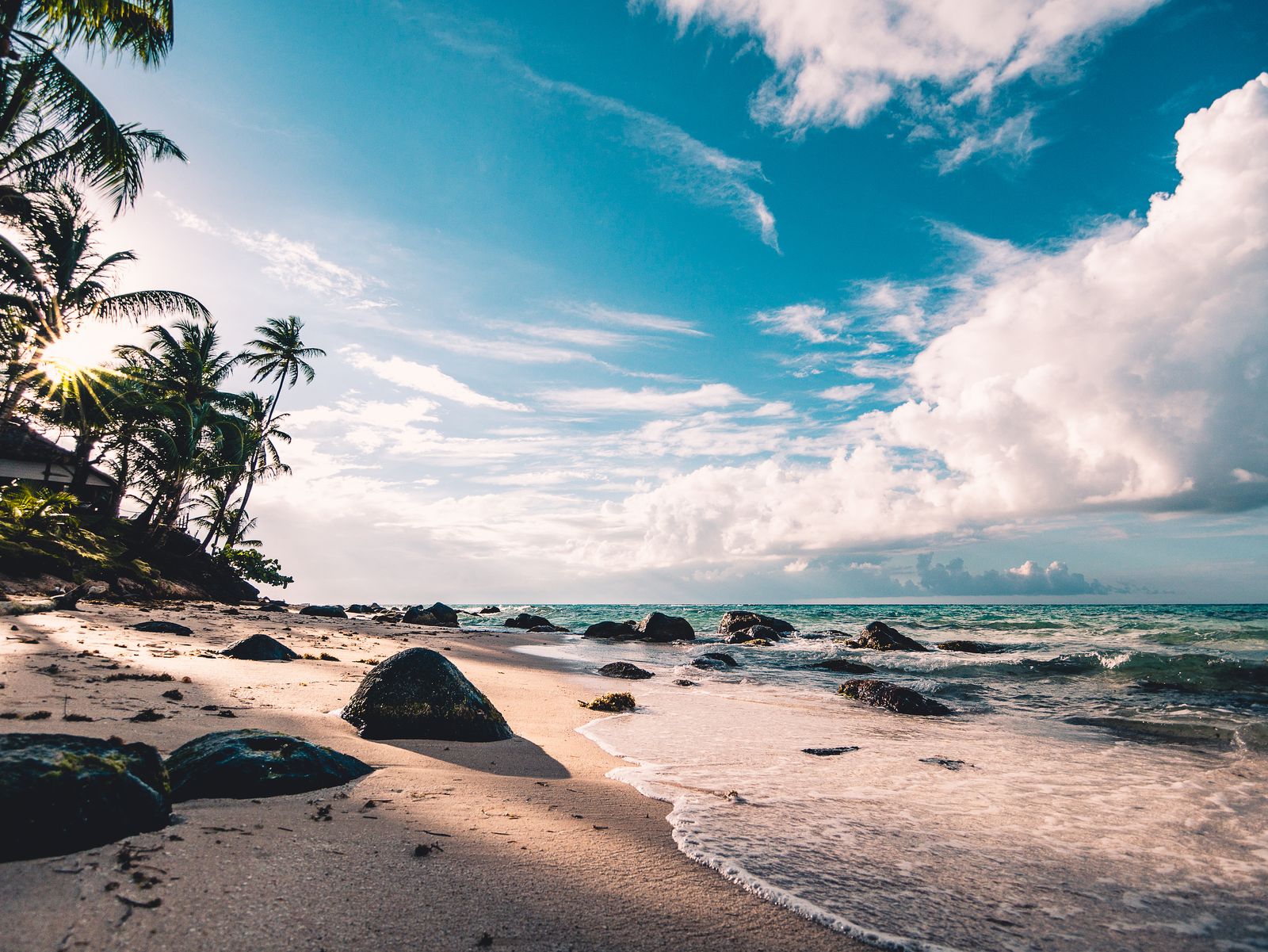
Every surfer has a list, and Cloudbreak is near the top of all of them. Mine too — for years it sat there, slightly terrifying, until I finally put the trip together. Spoiler: Fiji is both more accessible and more humbling than the magazines make it look. Here's the honest version, from someone who paddled out at Cloudbreak once at double-overhead, got flogged, and still calls it the best trip of his life.
The waves: Cloudbreak, Restaurants and the ones for mortals
- Cloudbreak — a left that breaks top-to-bottom over a live reef three kilometres out to sea off Tavarua. From chest-high and playful to one of the heaviest waves on the planet. Since the exclusivity deal ended in 2010, anyone with a boat driver can paddle out. Whether you should is between you and your last three months of training.
- Restaurants — Cloudbreak's prettier, shallower sibling wrapping around Tavarua island itself. On its day it's a skatepark left: mechanical, hollow, almost unfairly perfect. Needs a solid swell and the right tide to switch on.
- Namotu Lefts — this is the one I'd book the trip around if you're not a pro. A long, forgiving left off Namotu island that handles everything from waist-high fun to serious walls, with a channel to hide in.
When to go surfing in Fiji
The Southern Hemisphere winter — April to October — delivers consistent groundswell from the Roaring Forties, with May to September the prime window and trade winds blowing offshore at Cloudbreak most mornings. November to March is cyclone season: hot, sticky, smaller and less reliable, but far from waveless, and everything is cheaper.
How the logistics actually work
Fly into Nadi (NAN). The surf zone is a 30–60 minute boat ride from the Momi/Denarau area. Three ways to do it:
- Island resorts (Tavarua / Namotu) — surf-first operations with boat shuttles timed to the tides. They book out nearly a year ahead for prime season. The splurge option, roughly US$400–600 per person per day, meals included.
- Mainland + boat charters — stay near Momi Bay or Nadi from US$50–150 a night and buy boat seats to the reefs (about US$60–100 a session). This is what I did. You lose the tide-perfect timing, you keep your mortgage.
- Liveaboards — fewer than the Maldives, but they exist and they chase the swell.
The family question
I brought mine the second time. Fiji is genuinely brilliant for it: the Fijian relationship with kids is the warmest I've seen anywhere, resorts have real kids' clubs, and the lagoon snorkelling keeps everyone happy while you're out at the reef. The trade-off is that every surf is a boat mission, so you're gone four hours minimum. Budget your marriage accordingly.
Straight answers
- Is Cloudbreak too heavy for me? Under head-high, a fit intermediate can sit on the shoulder and get the wave of their year. Overhead and up, it's experts only — the inside section ("Shish-kebabs") is named that for a reason.
- Boards: your usual shortboard plus a step-up with some glass. Reefs here punish light boards and light ankles.
- Watch it before you book: the Cloudbreak forecast and cam page shows you exactly what the reef is doing this week — stalk it for a month and you'll know what a "good" forecast looks like when you see one.
Fiji is the trip that recalibrated what I think a wave can be. Go in May, train before you go, and leave the ego at Nadi airport.
RC is a dad, a surfer and a surf-trip addict. He writes destination guides and surf-travel notes for Bombsta between two sessions.
Check the live surfcams and 7-day swell forecast for every spot in this guide — free, no account.